


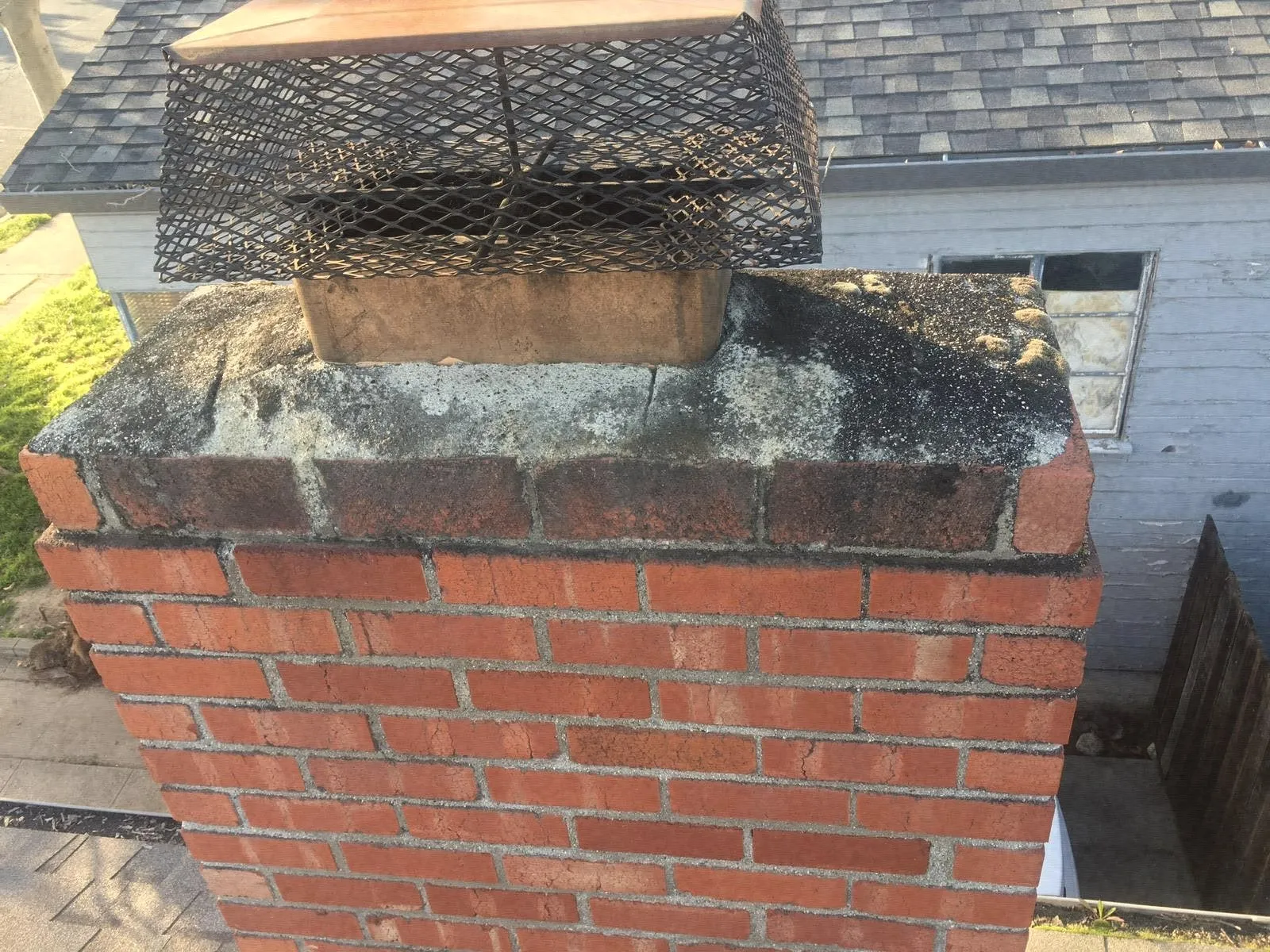
1Top of the flue
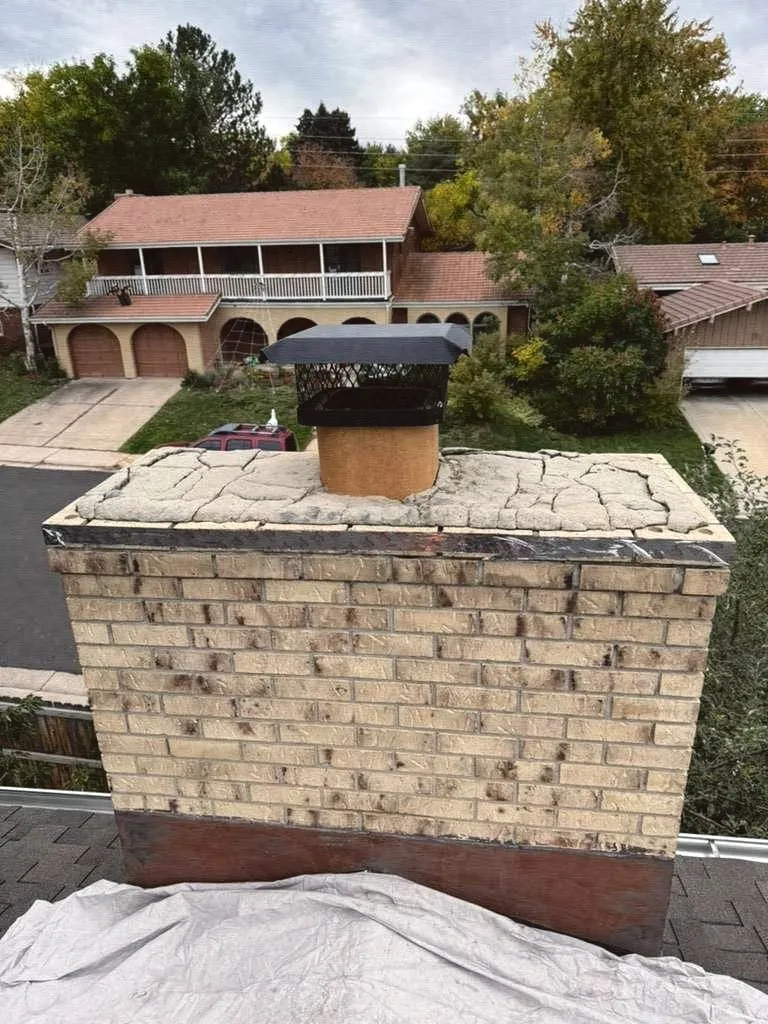
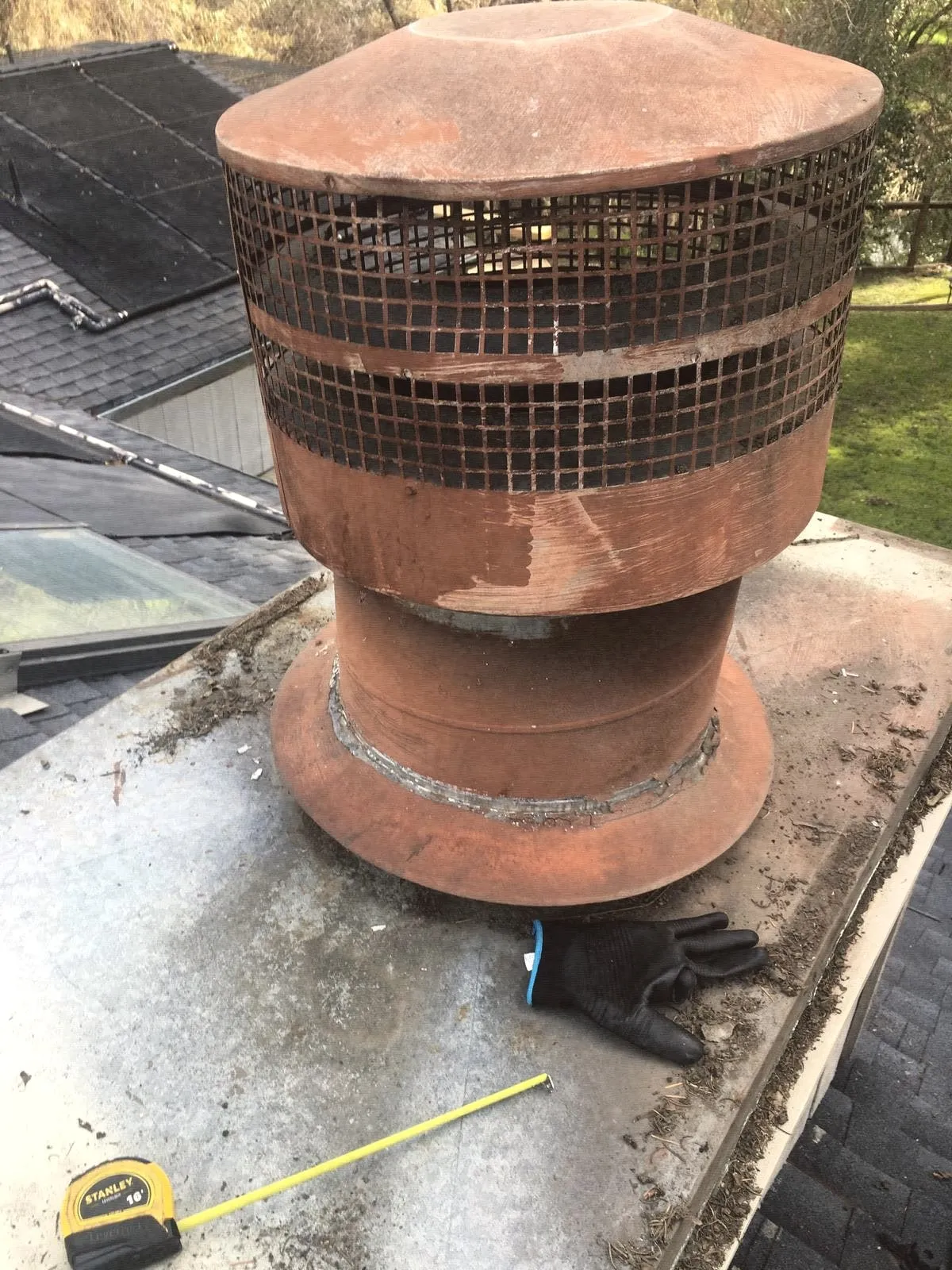
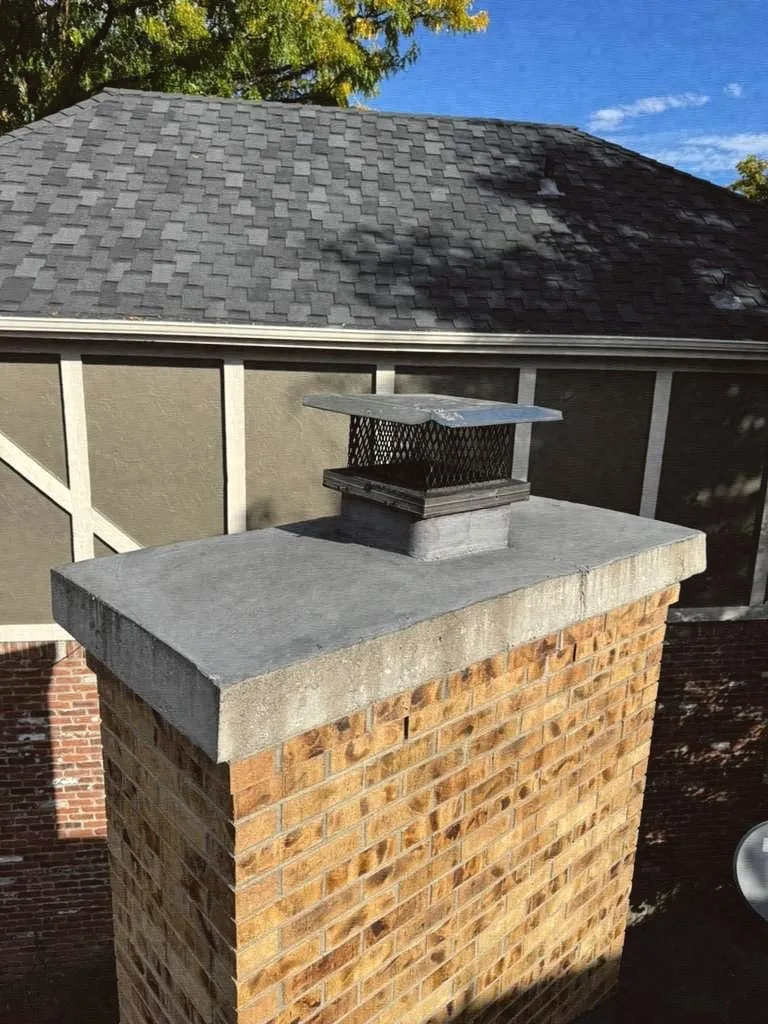
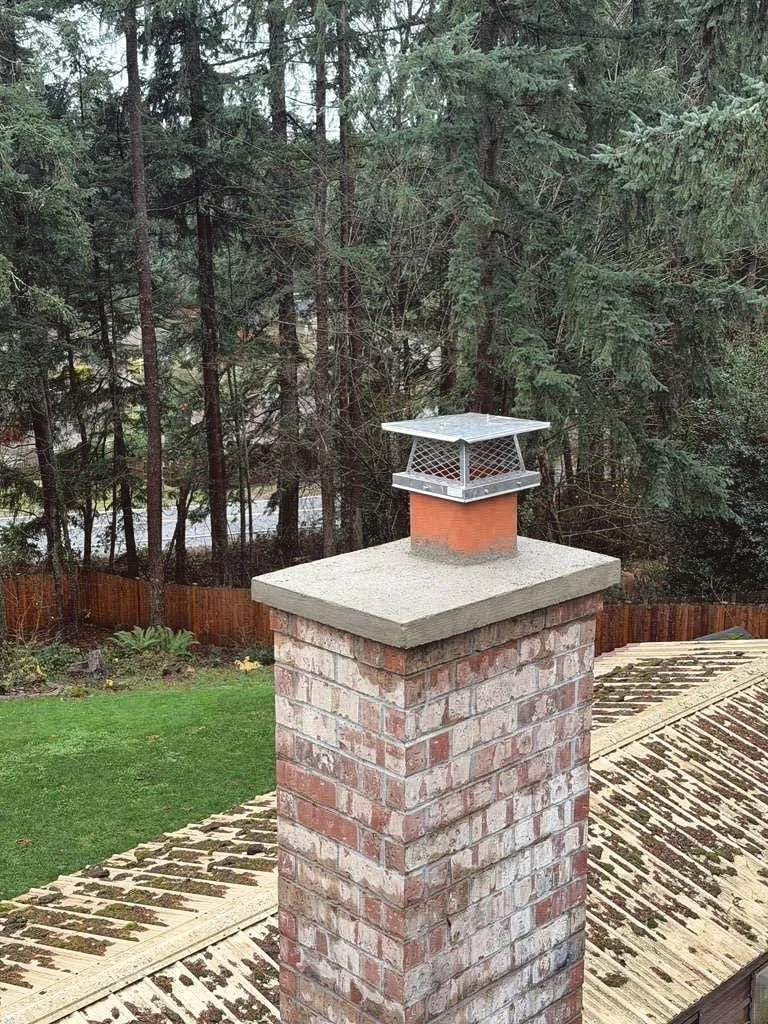
Cap
Keeps snow, rain and animals out of the flue, and its screen stops sparks before they land on a roof.
We check: fit, rust, a torn screen, nests.
Next: CrownOffice open 7 AM to 9 PM, every day. Online booking any time.
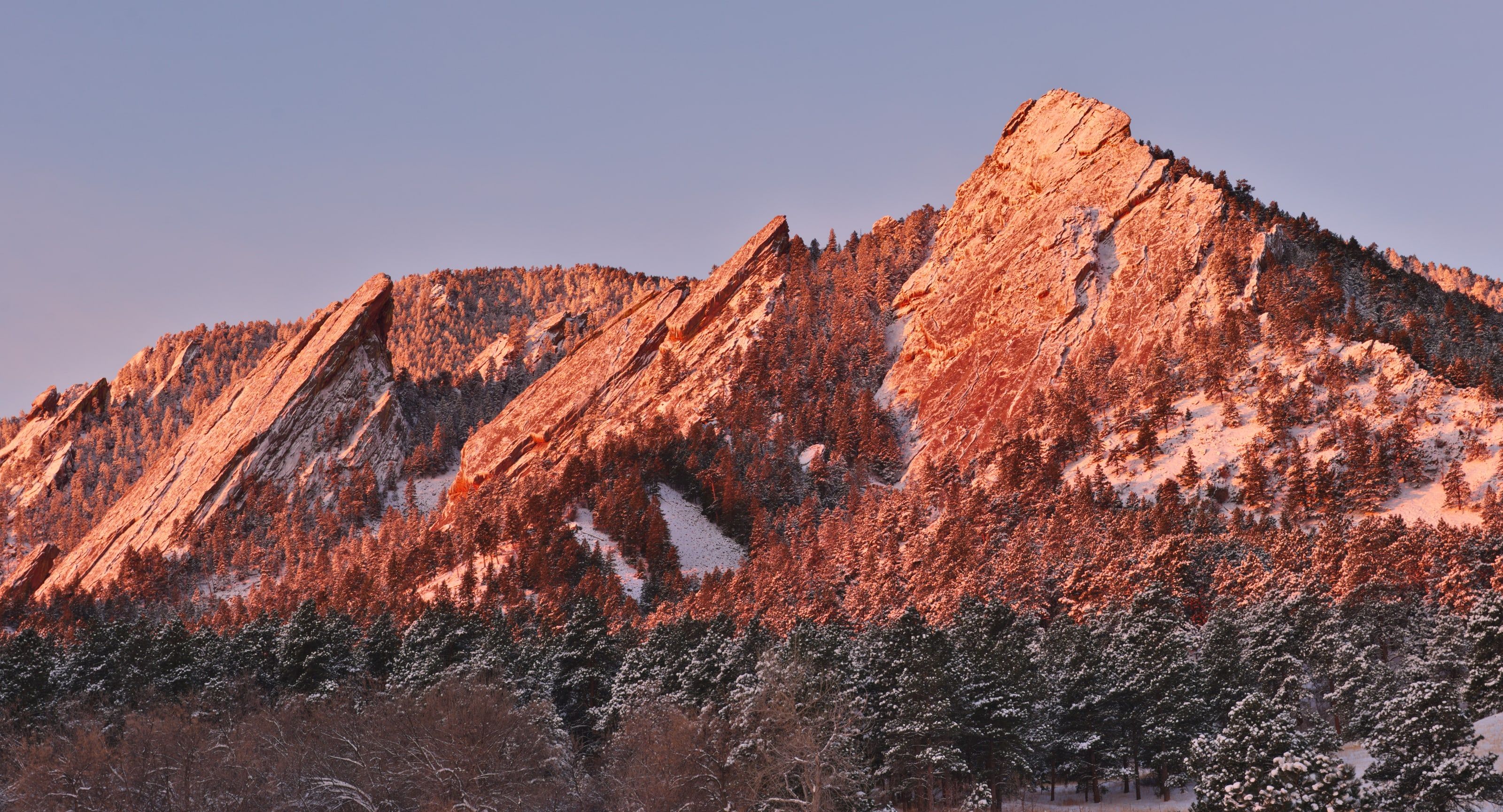
Sweeps, inspections and masonry repair for homes across Boulder, from North Boulder to Table Mesa.
Photo: Tyler Cipriani, CC BY-SA 4.0
Pick a part of a working chimney to see what we look at, and why Boulder weather is hard on it.
Start at the cap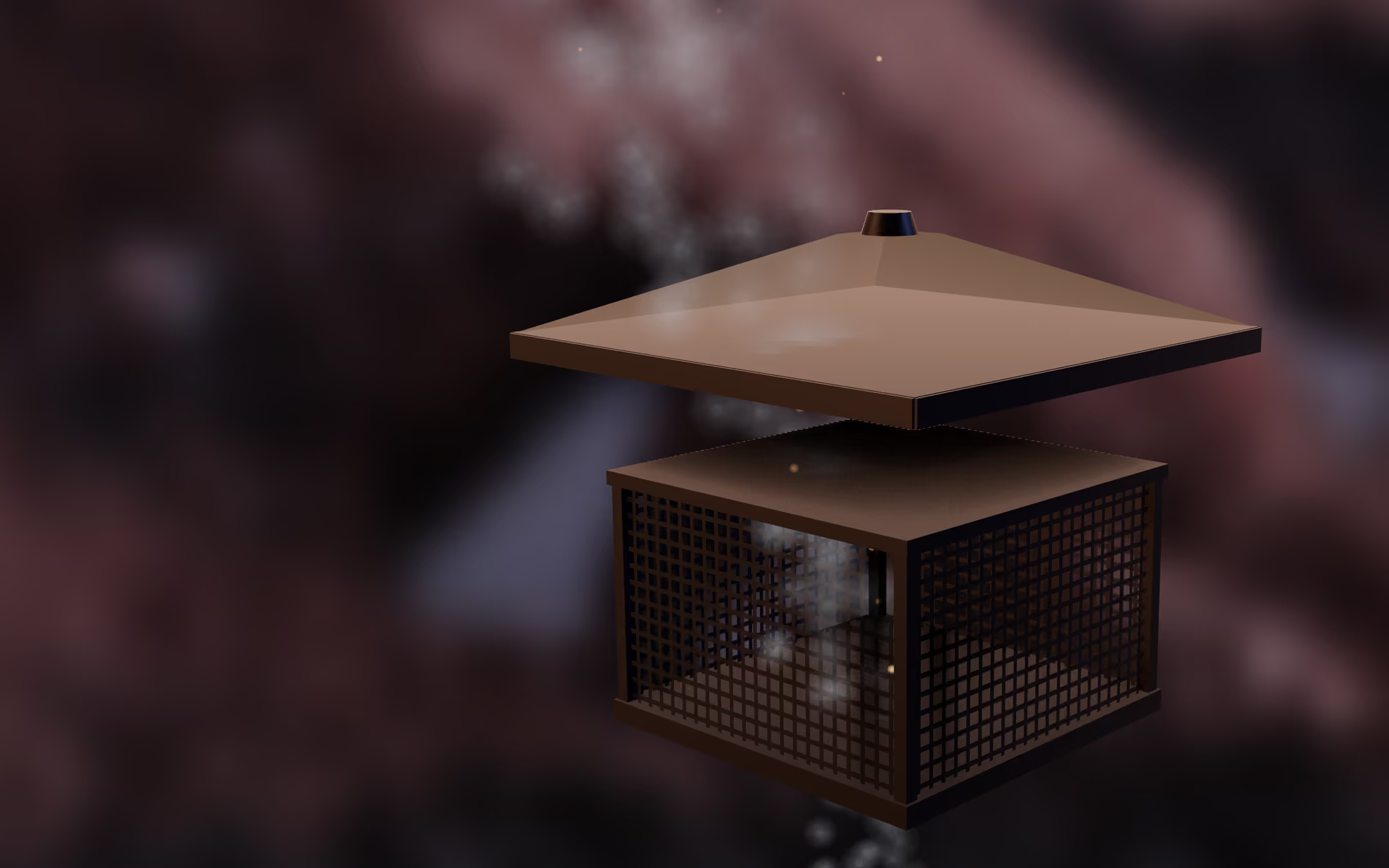
1Top of the flue
Keeps snow, rain and animals out of the flue, and its screen stops sparks before they land on a roof.
We check: fit, rust, a torn screen, nests.
Next: Crown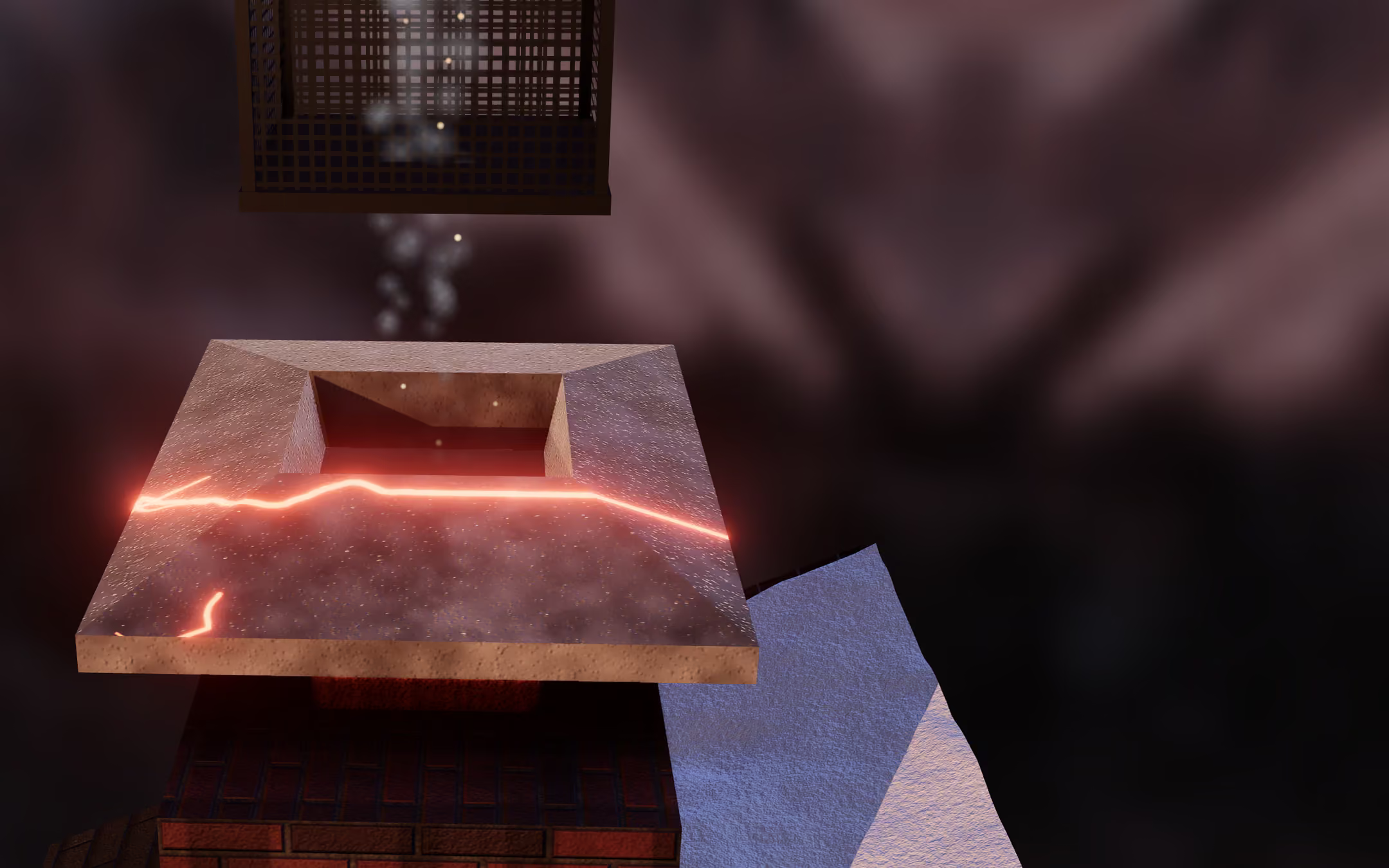
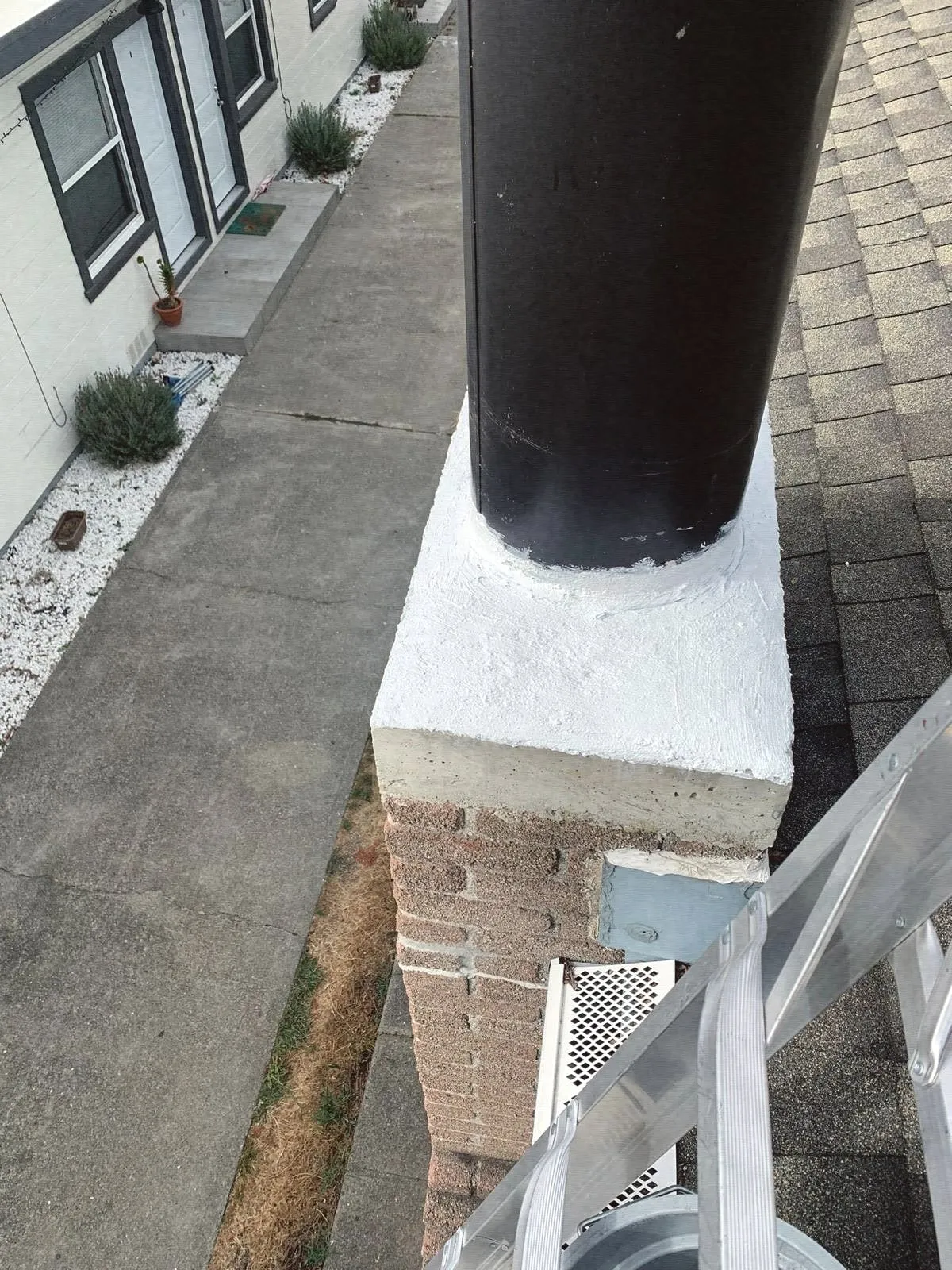
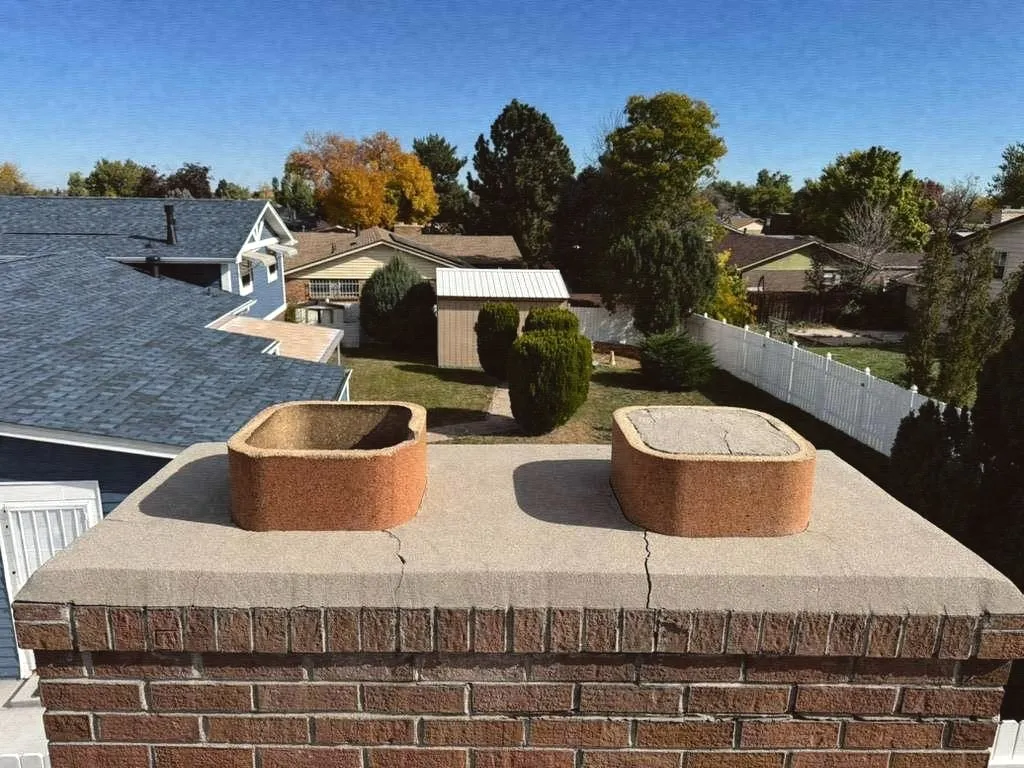
2The slab on top
Freeze and thaw work on it all winter: water in a hairline crack expands about 9% as it freezes.
We check: hairline cracks, spalling, gaps at the flue tile.
Next: Flashing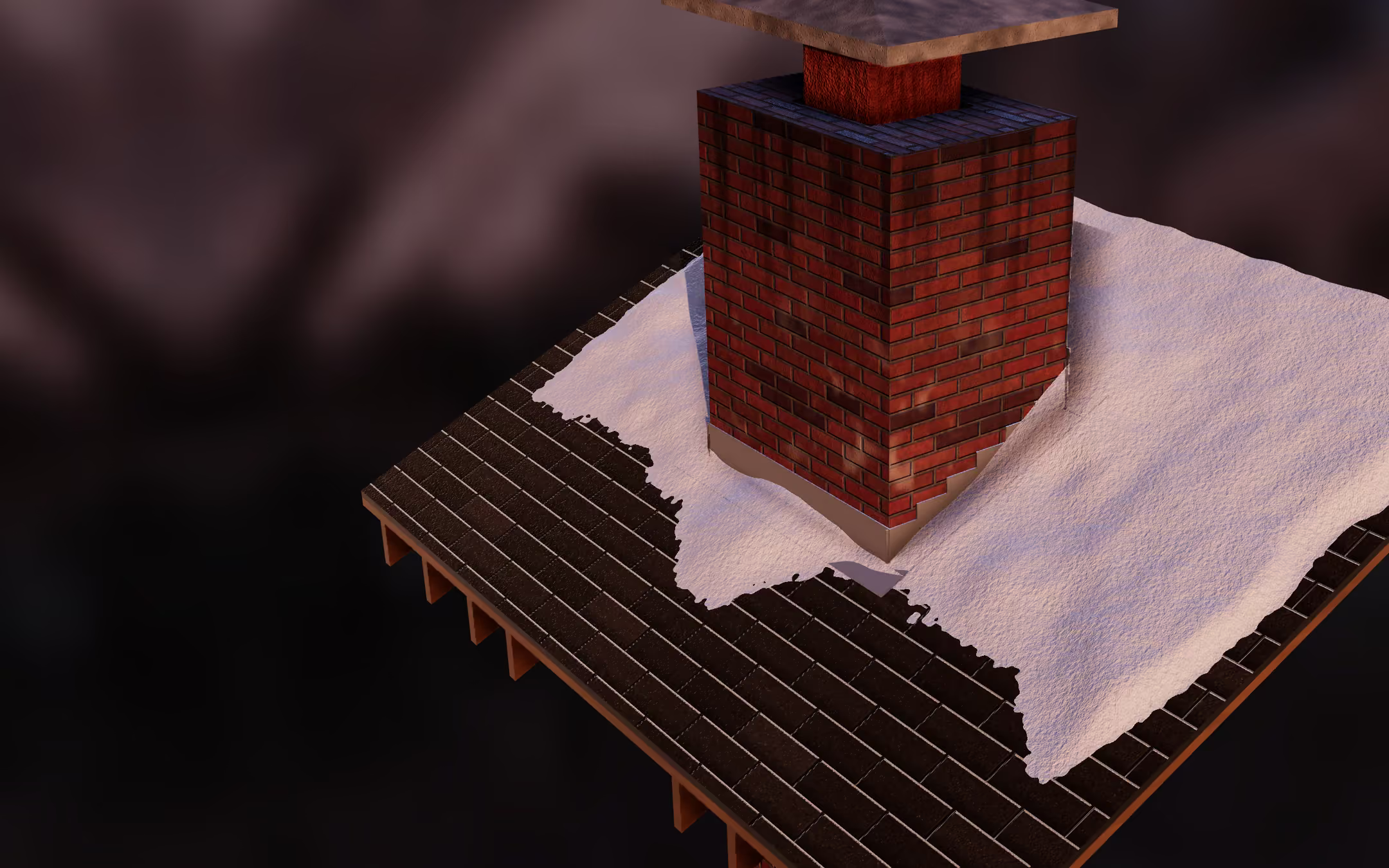
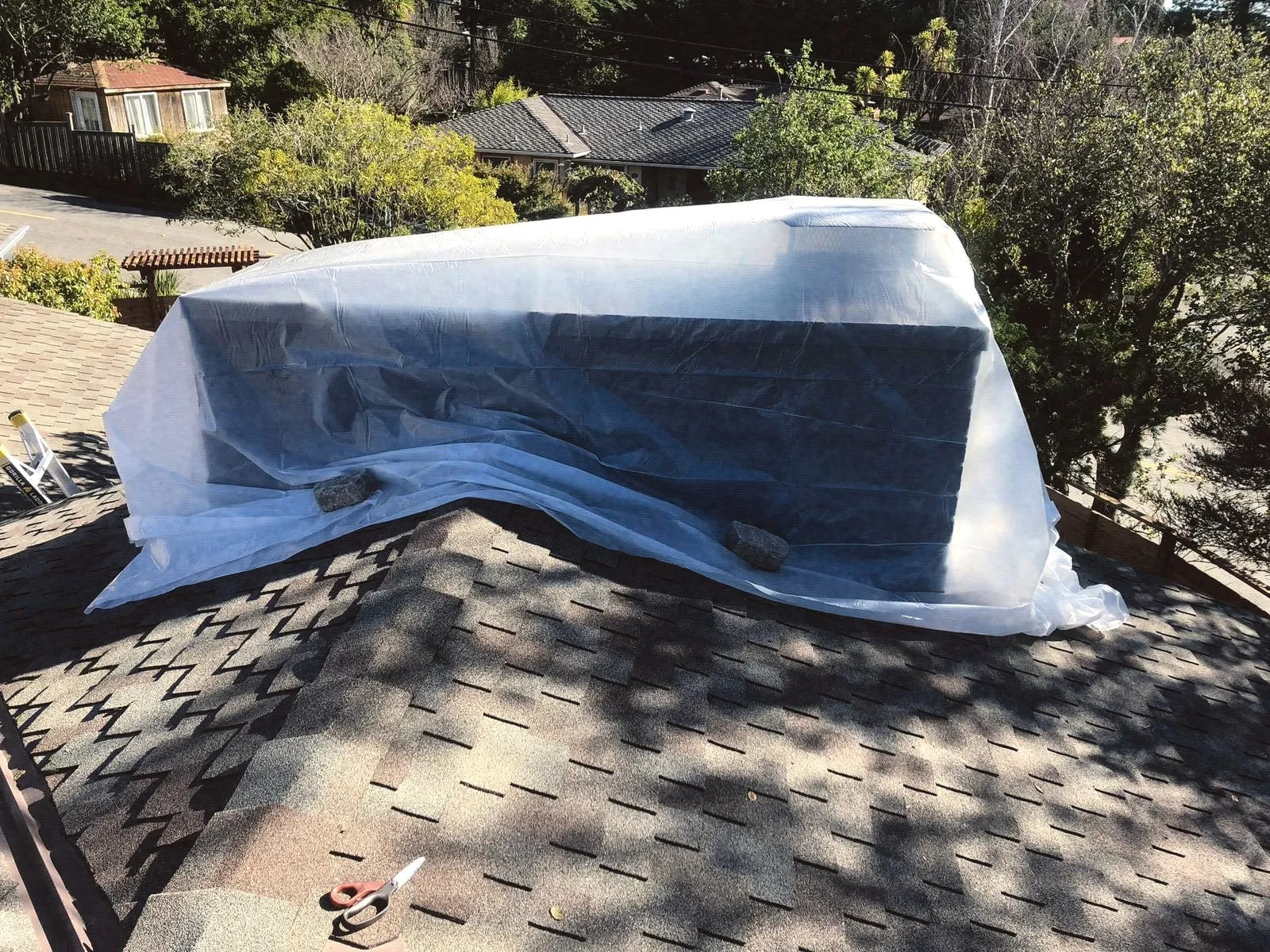
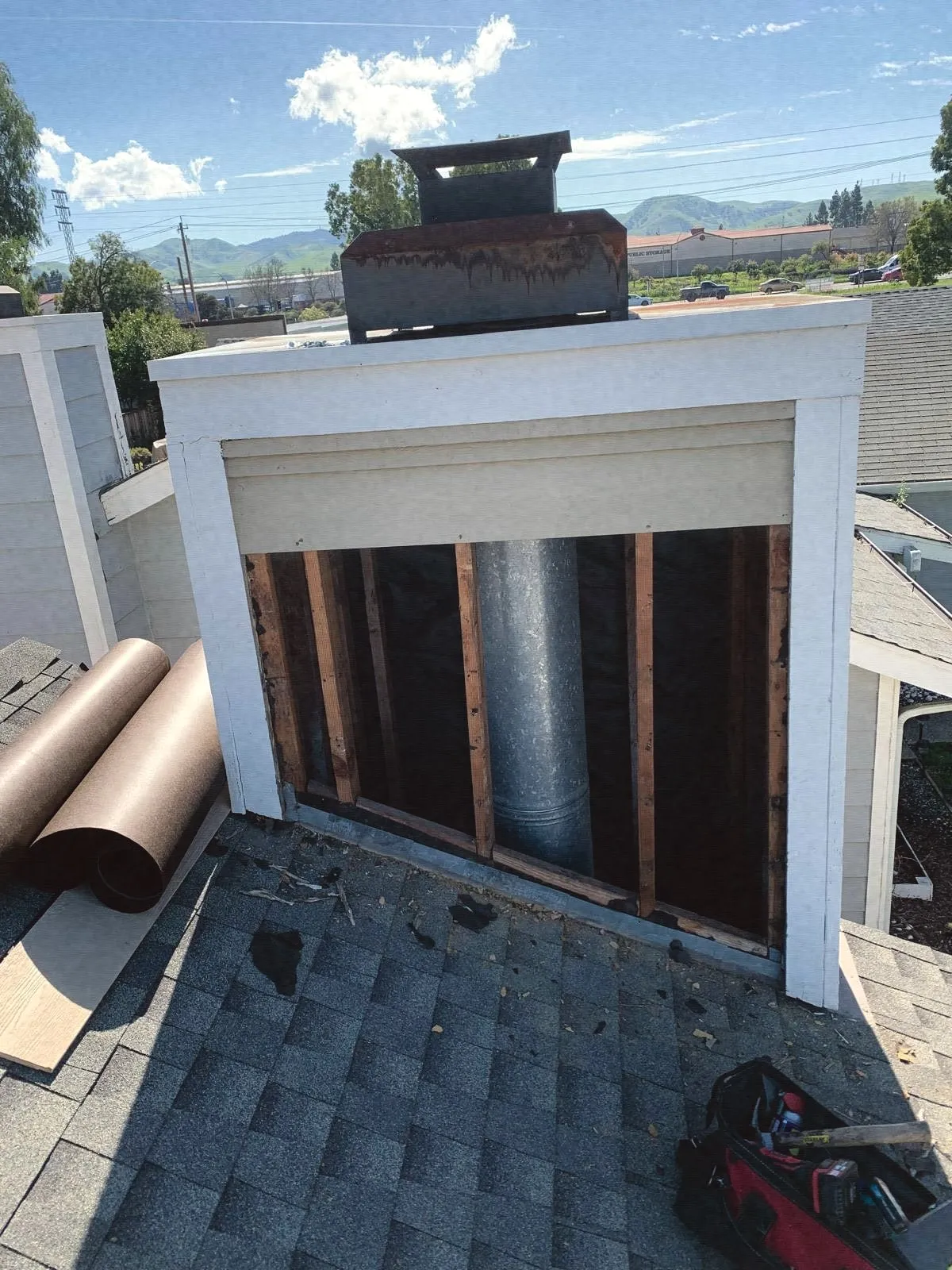
3At the roof line
Seals the joint between chimney and roof, where snow piles up and downslope winds test every seam.
We check: lifted counterflashing, failed sealant, attic stains.
Next: Flue liner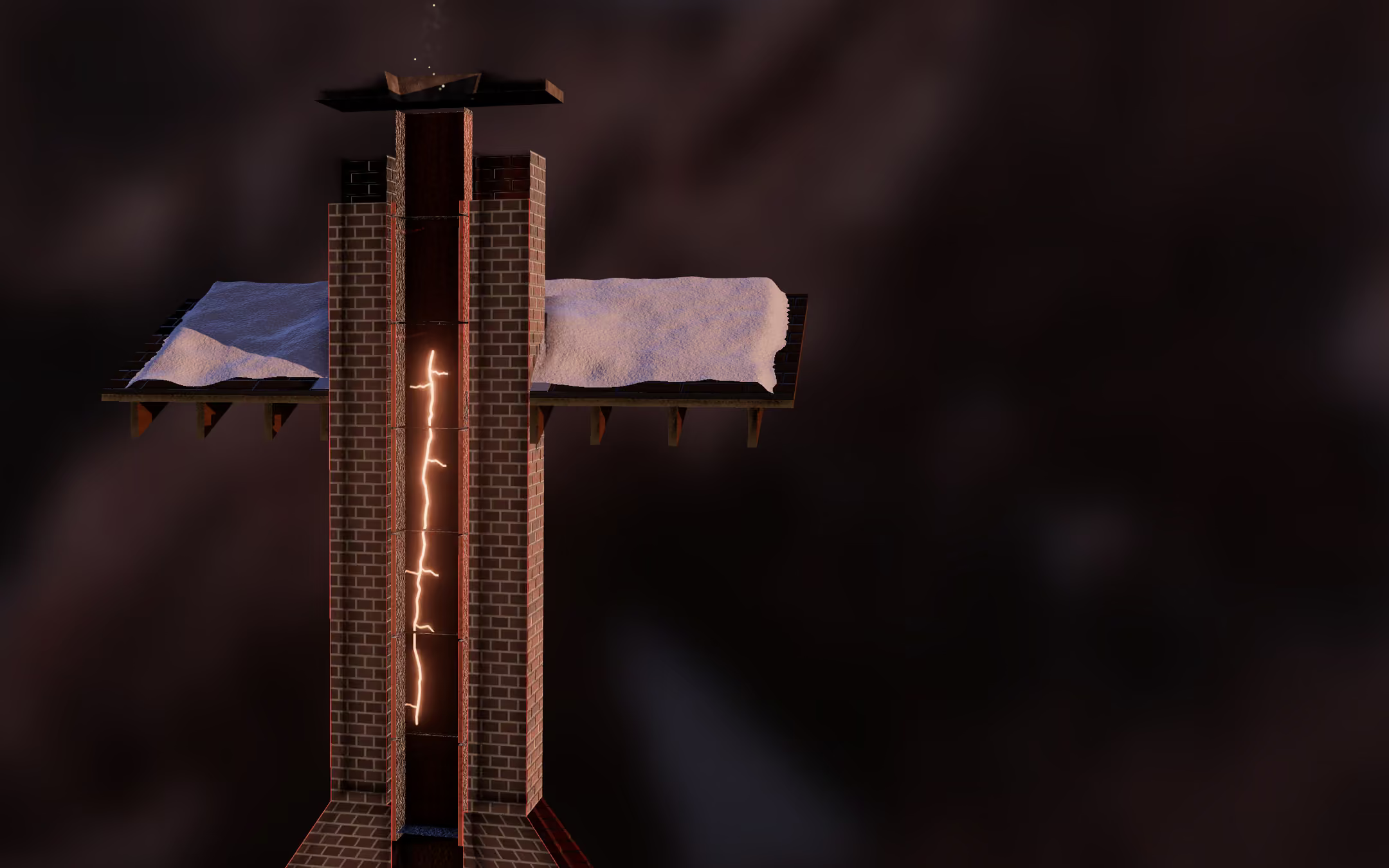
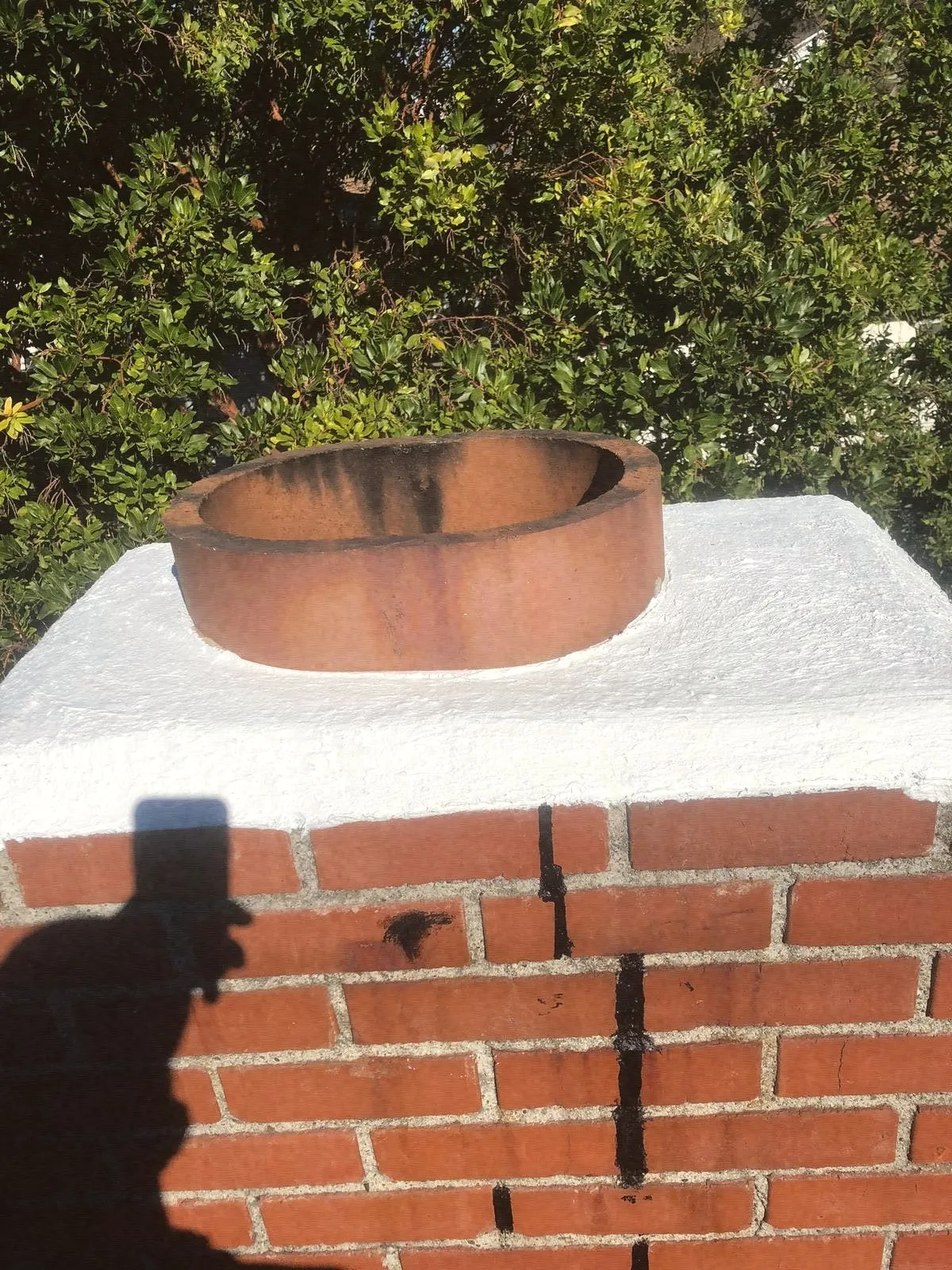
4Inside the stack
Carries smoke and heat out. A cracked tile can let heat reach the framing and carbon monoxide reach the rooms.
We check: cracked or offset tiles, missing mortar, the right size.
Next: Smoke chamber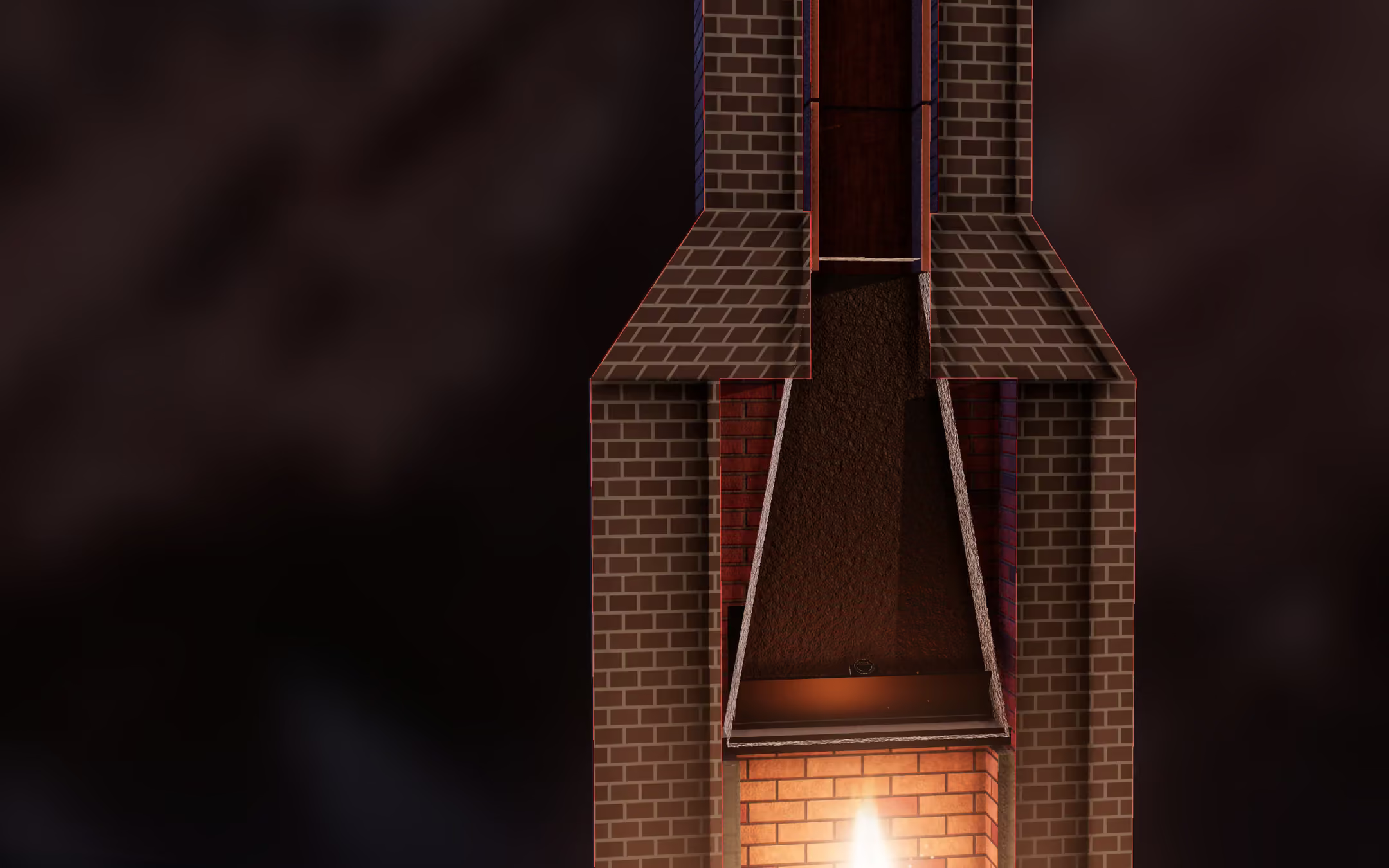
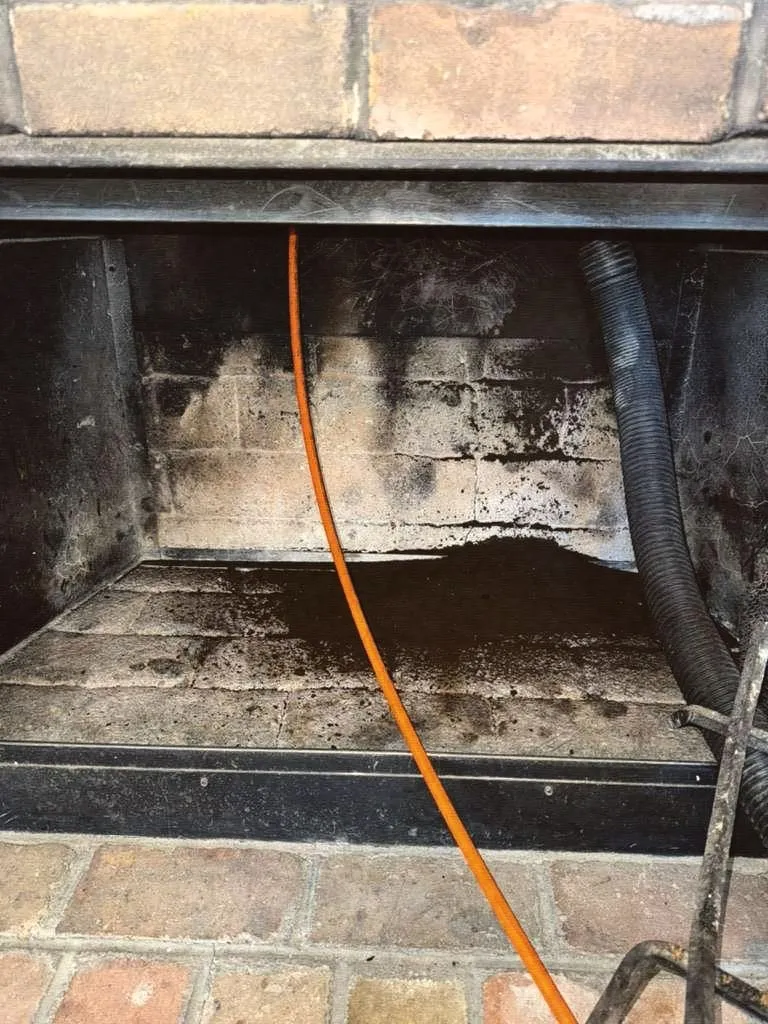
5Above the fireplace
Creosote collects here first. The Chimney Safety Institute of America says sweep at 1/8 inch of buildup.
We check: glazed creosote, a damper that seals, open walls.
Next: Firebox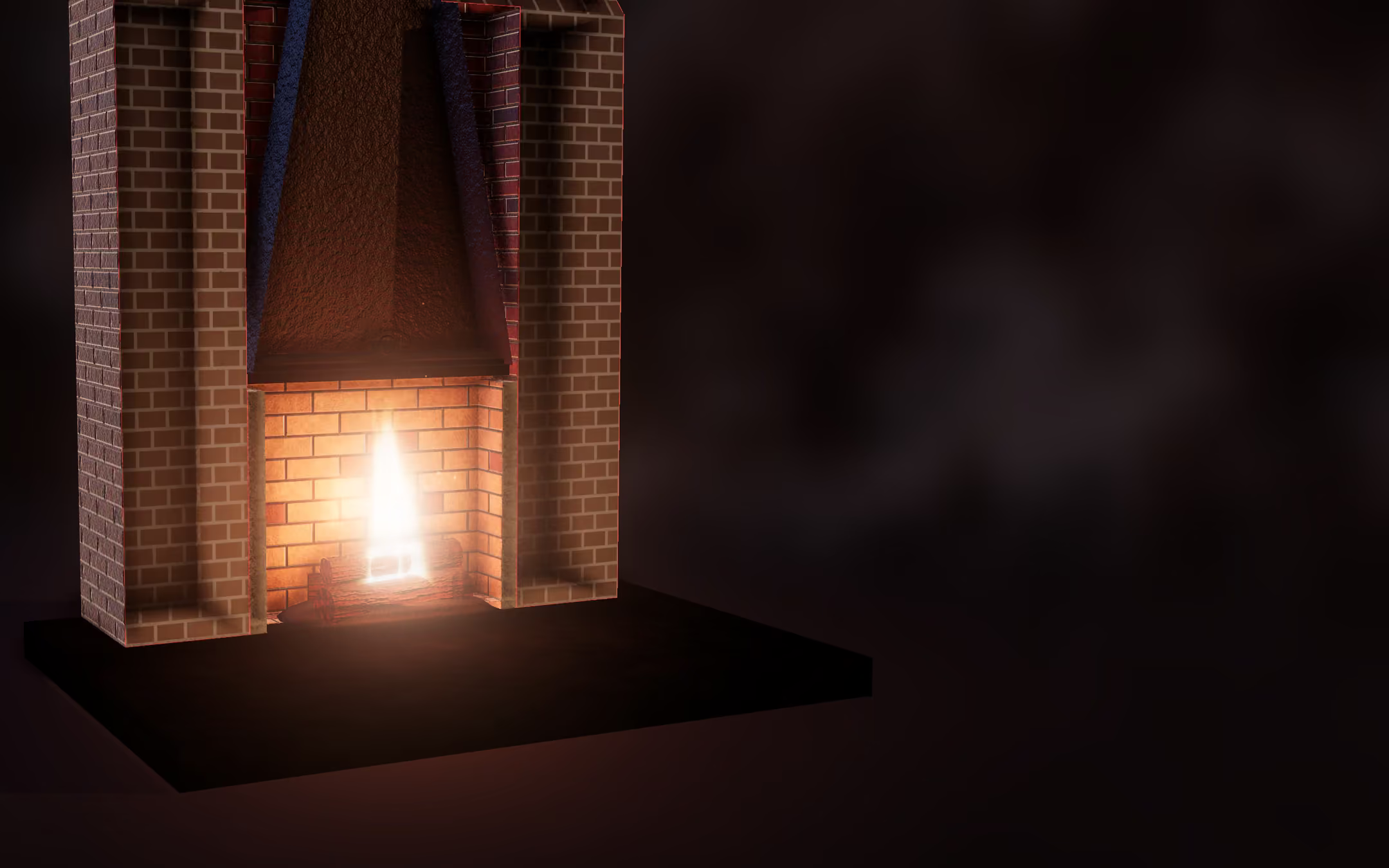
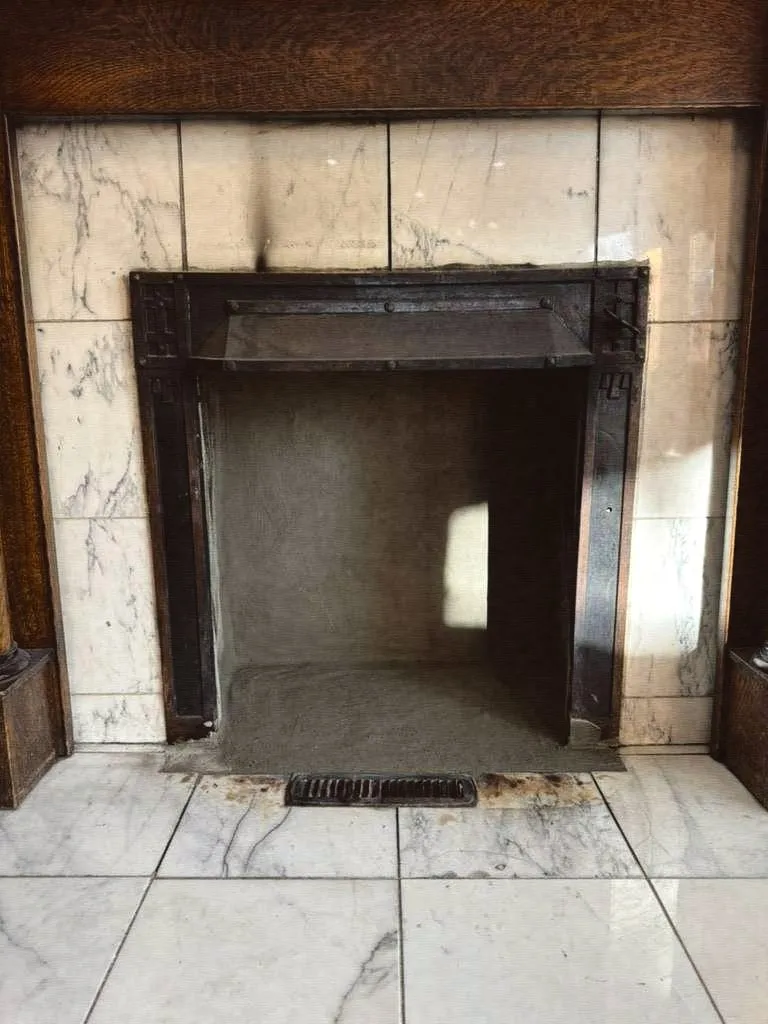
6Where the fire sits
Firebrick and mortar take the direct flame. Small joint repairs here prevent large masonry repairs behind it.
We check: open joints, cracked firebrick, the hearth.
See all six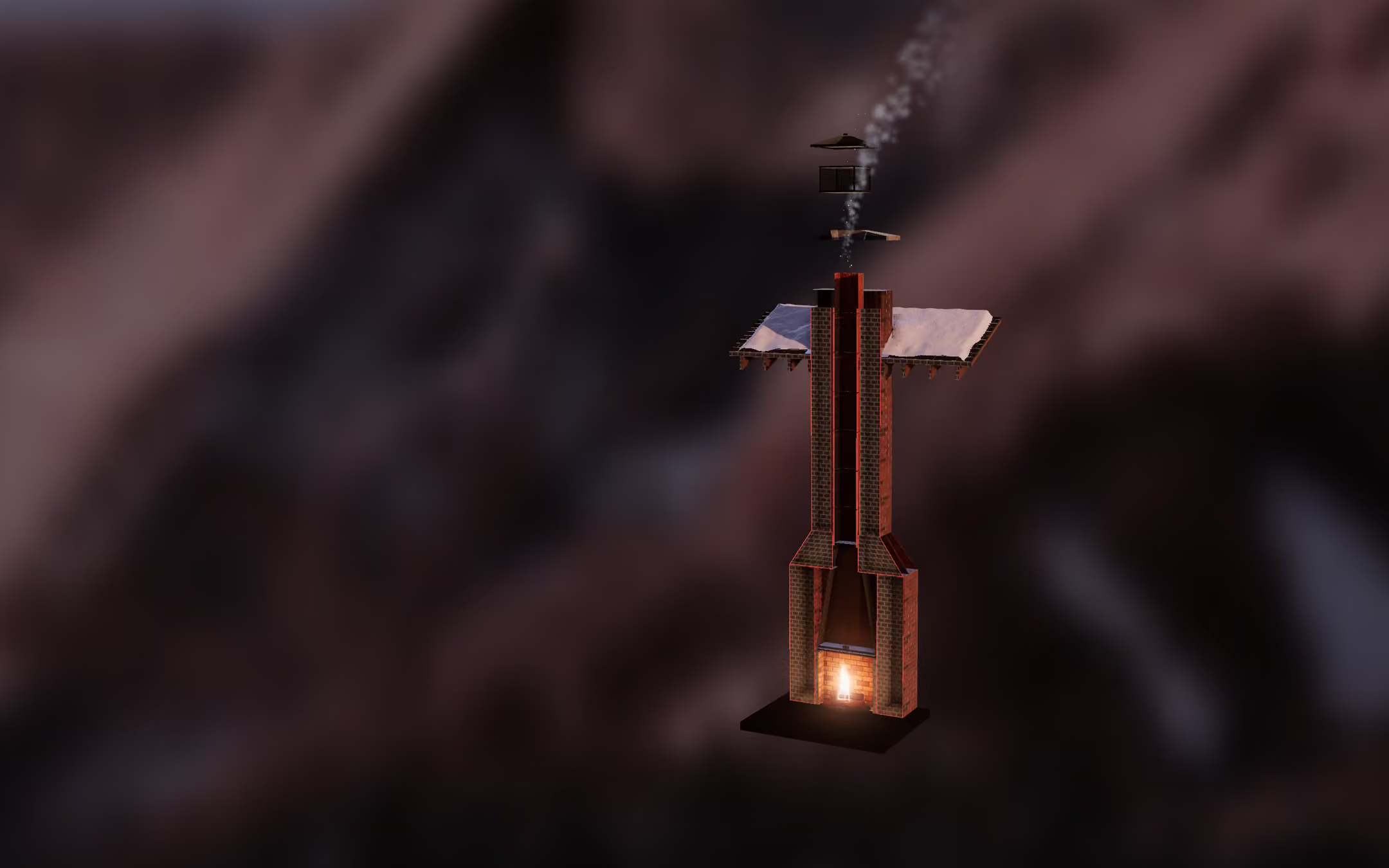
An inspection covers all six, from the cap down to the firebox.
(983) 223-5376Or book online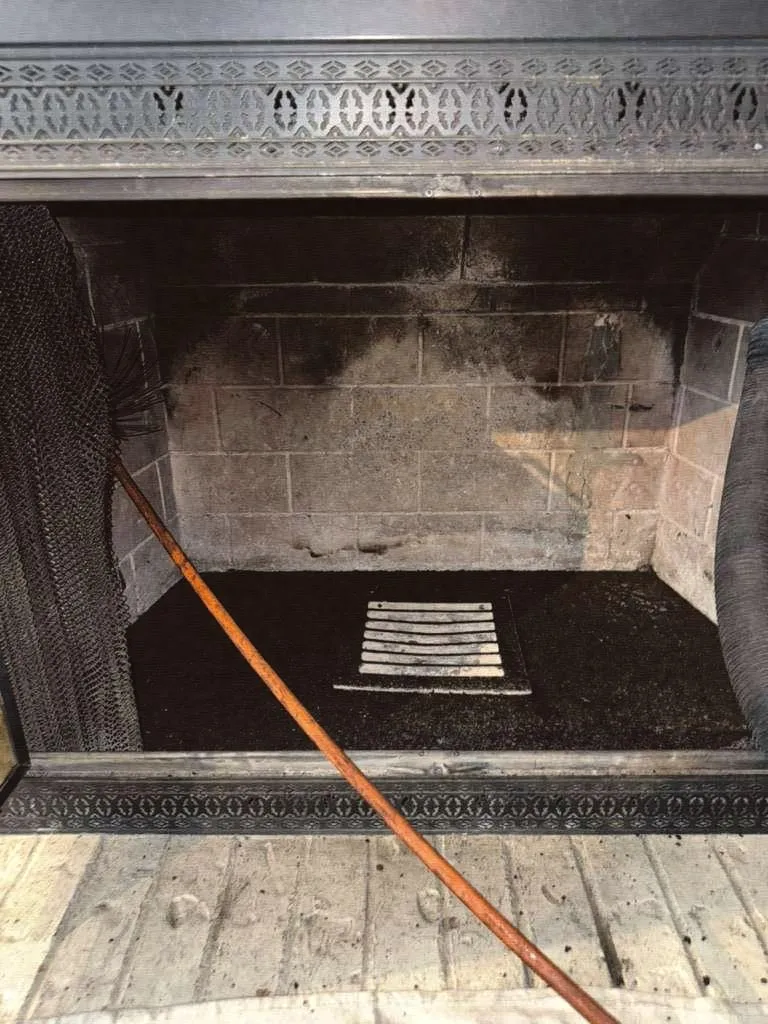
Creosote and soot come out of the flue, the smoke chamber and the firebox. A clean flue draws better and leaves a stray spark nothing to catch on.
A look at the whole system, cap to firebox. Worth doing every year, after a chimney fire, and when a house changes hands: NFPA 211 calls for a Level 2 inspection at a property sale.
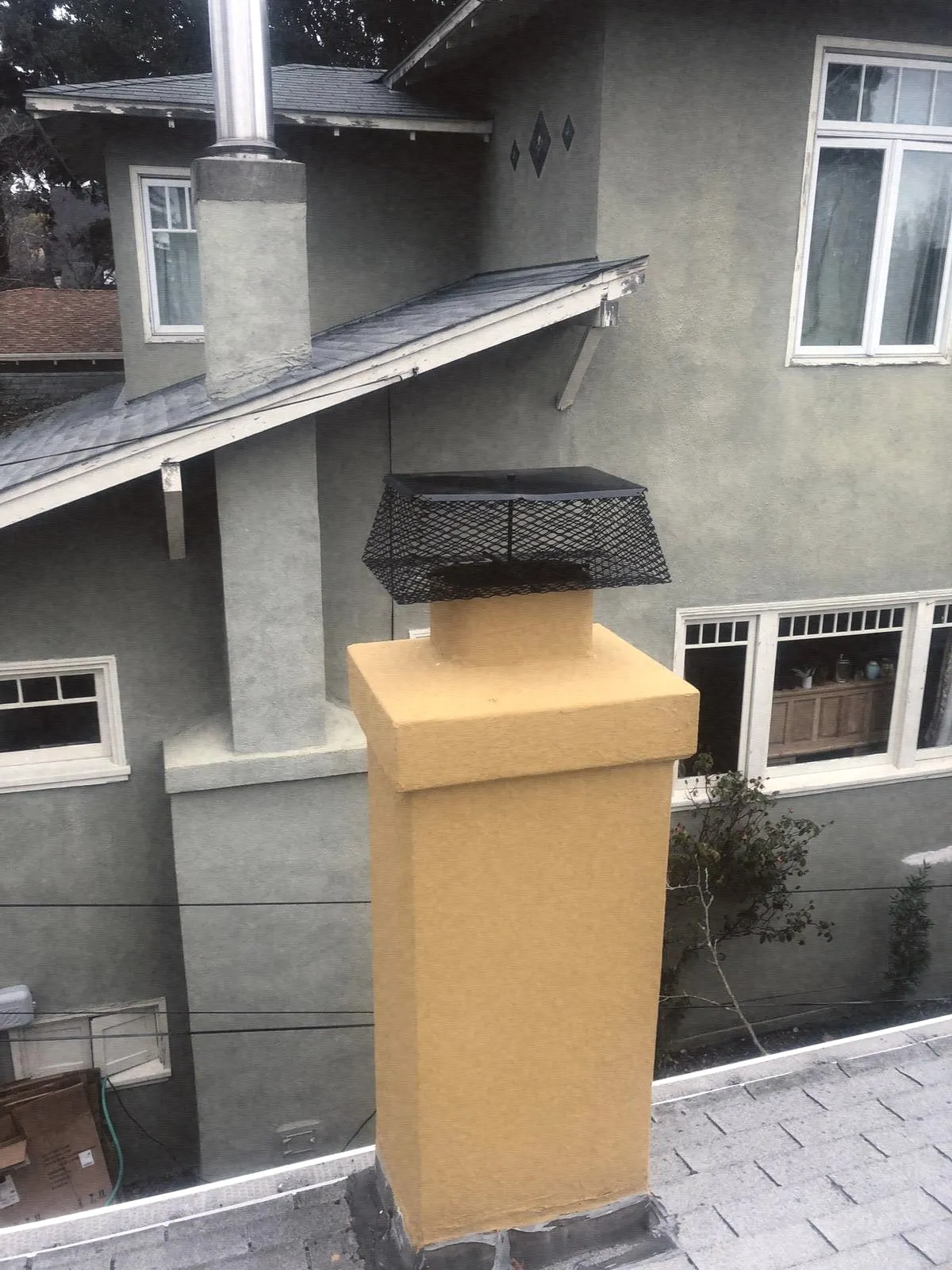
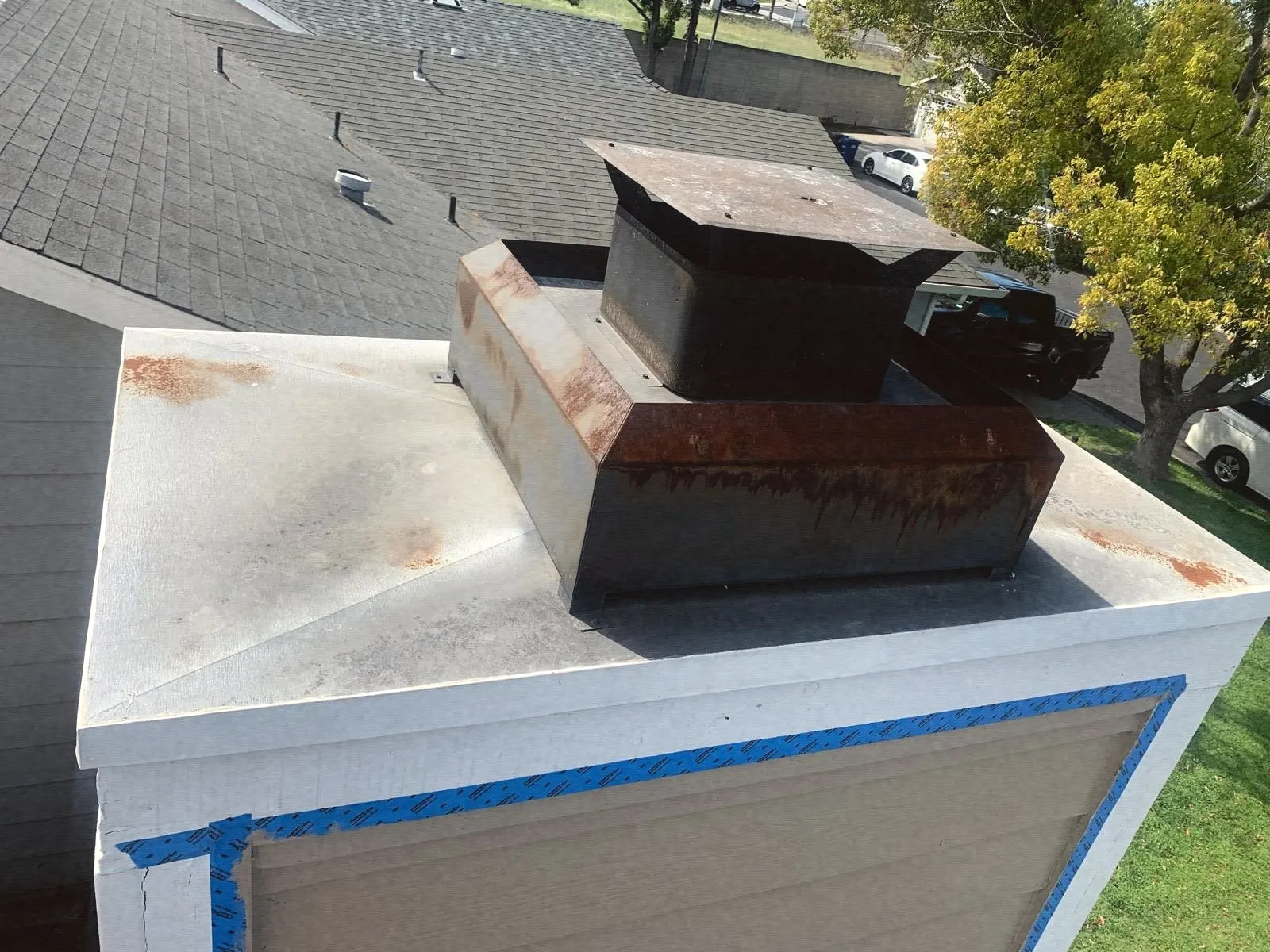
Crowns, caps, flashing, mortar joints and firebrick. Small repairs done early keep water and heat where they belong, before a freeze makes them bigger.
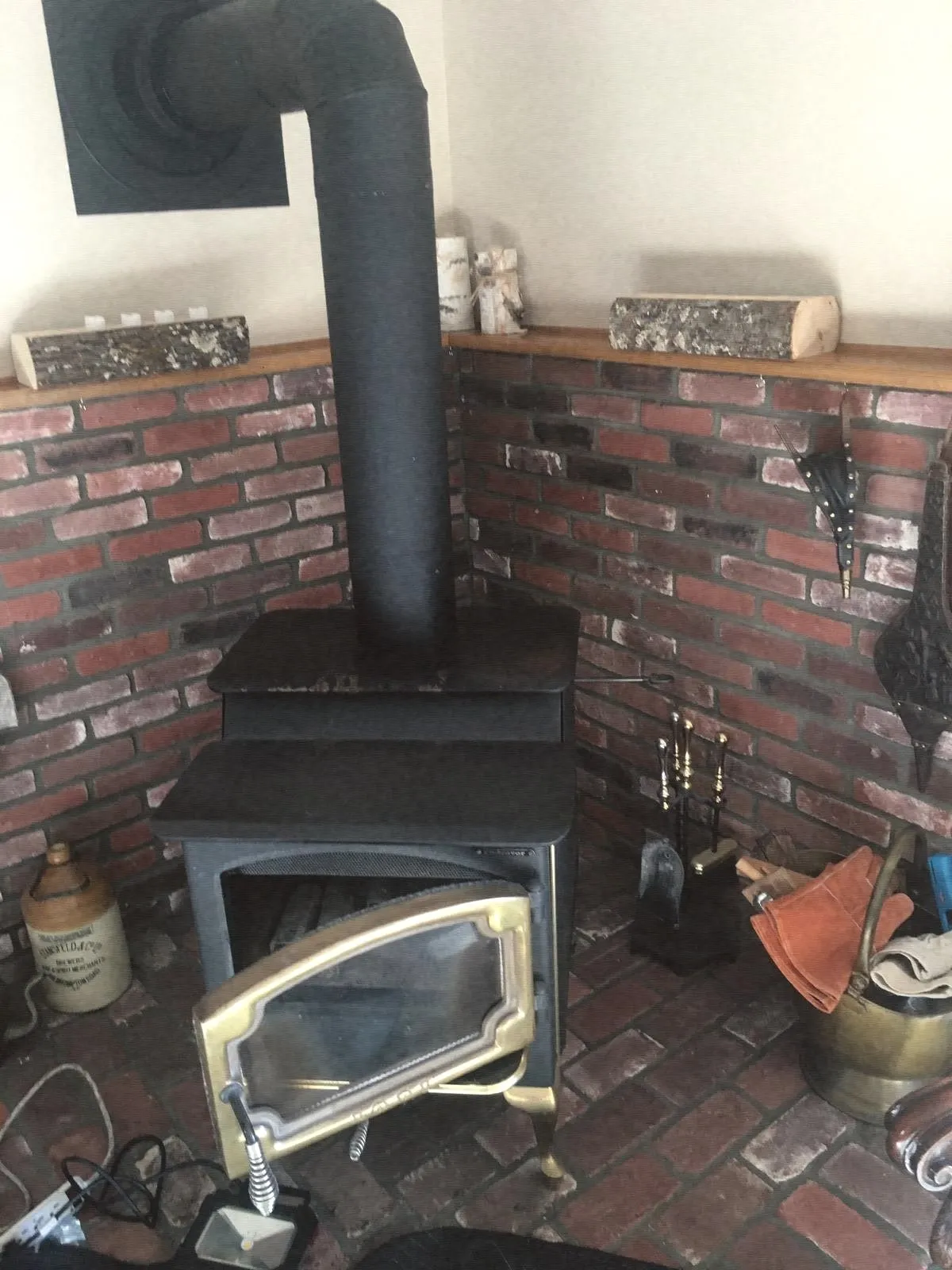
Fireboxes, smoke shelves and wood stoves cleaned and checked, so the first fire of the season starts clean and the damper opens and closes the way it should.
Three things the Front Range does to chimneys, and why a small repair now saves a big one later.
01 / 03
Water expands about 9% when it freezes. Inside a cracked crown or an open mortar joint, each freeze pries the gap a little wider, and Boulder winters bring night after night below 32°F.
Source: Physics of ice
Photo: Perryjp, CC BY-SA 3.0
Photo: Perryjp, CC BY-SA 3.0
02 / 03
The gust the NCAR Mesa Lab in Boulder recorded on January 17, 1982. Winter winds off the Front Range work caps loose, lift flashing and drive snow into open seams.
Source: NCAR / NOAA records
Photo: Zach Dischner, CC BY 2.0
Photo: Zach Dischner, CC BY 2.0
03 / 03
The largest opening the building code allows in a spark arrestor screen. An intact cap screen keeps embers inside the flue, away from dry grass and roofs.
Source: IRC R1003.9.2
Photo: Zach Dischner, CC BY 2.0
Photo: Zach Dischner, CC BY 2.0
Photos from our Google Business Profile.
Tags with an arrow jump to that part in the chimney walkthrough.
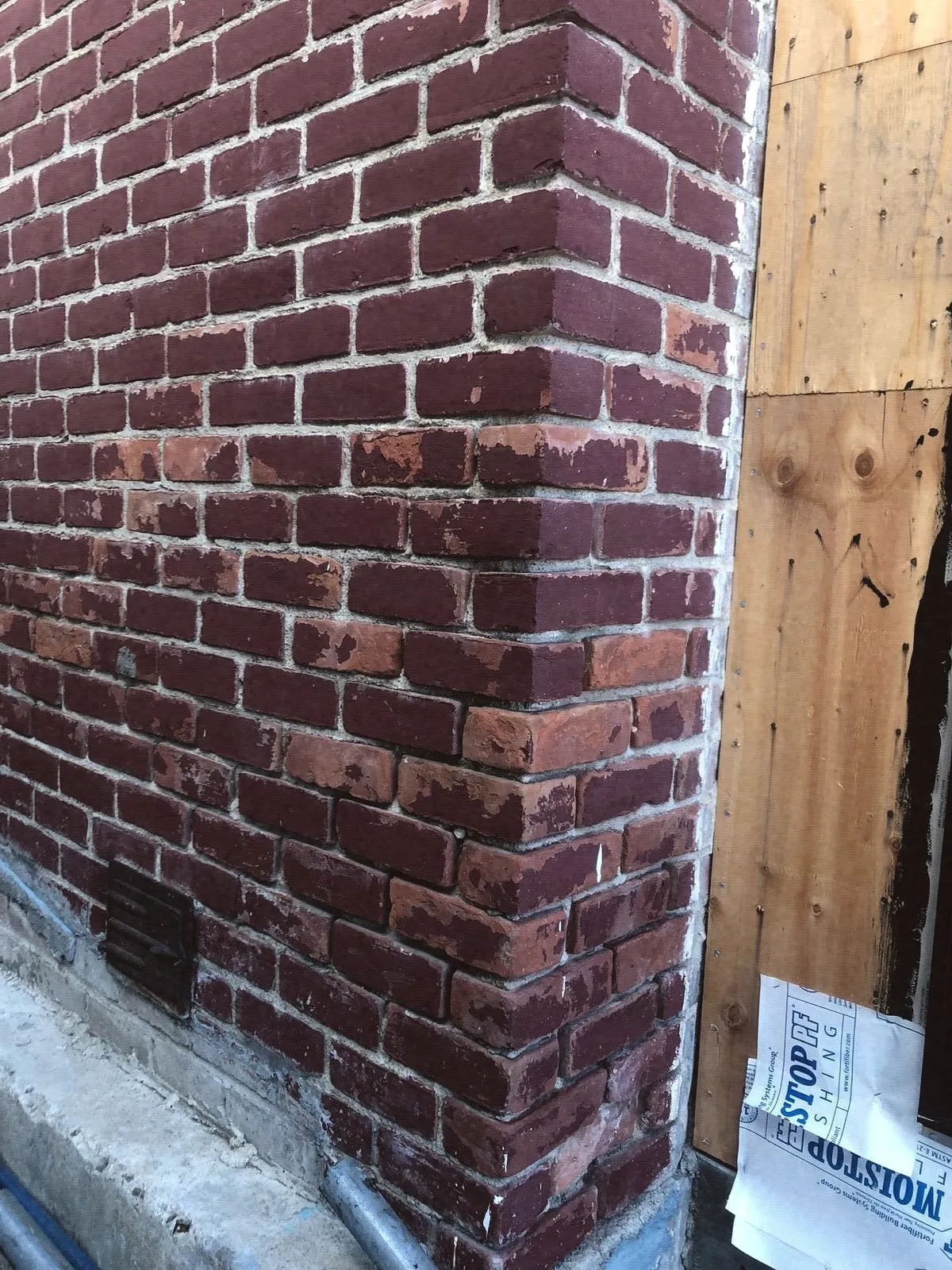
Boulder is the service area on our Google Business Profile: the city itself, from past the old brick of , and to , and next door.
Just outside the line? Call (983) 223-5376 and ask.
Terrain: AWS Terrain Tiles. Boundaries: US Census Bureau TIGERweb. Place names: OpenStreetMap contributors.
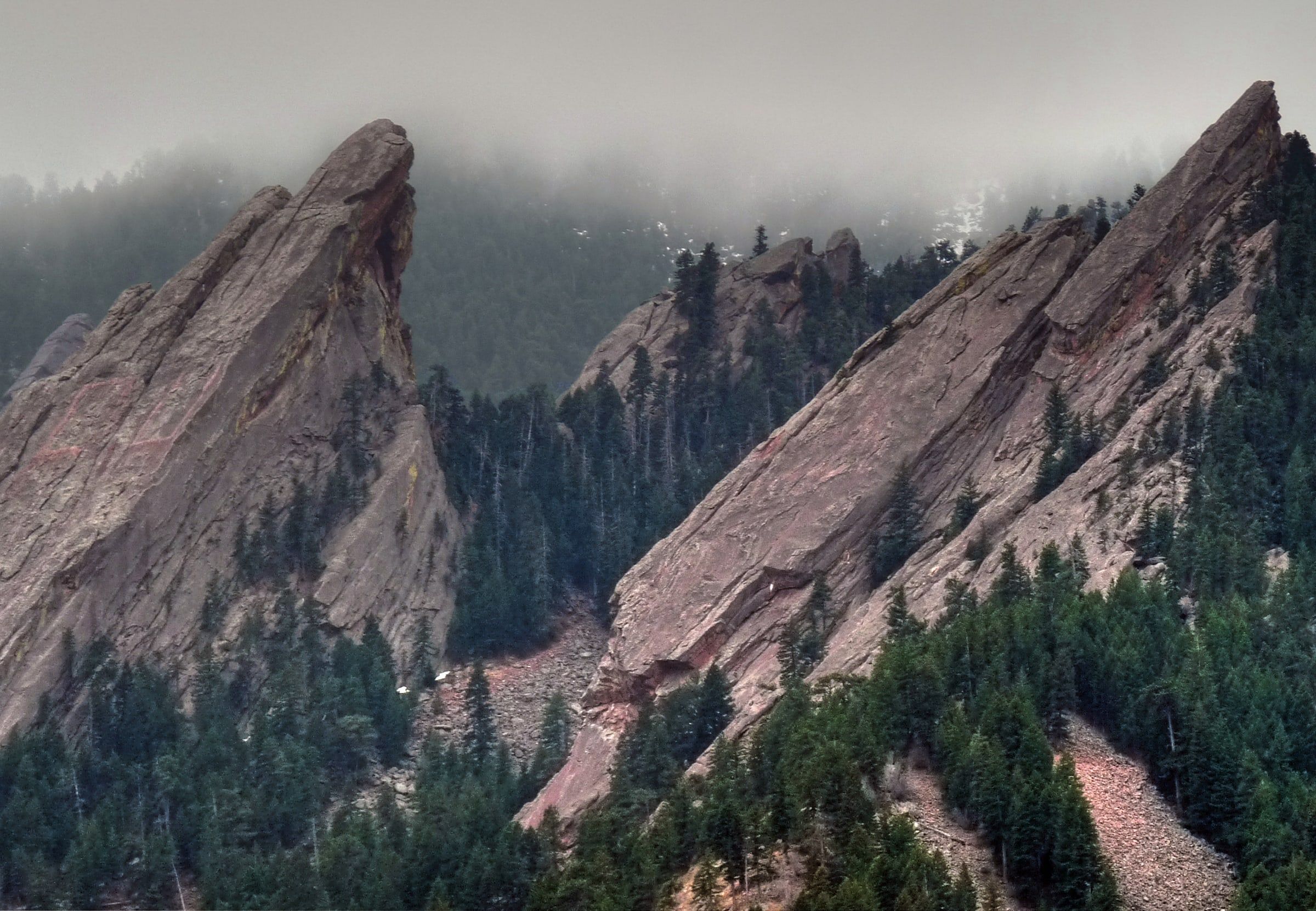
Photo: joiseyshowaa, CC BY-SA 2.0
Straight answers, with the source when there is one.
The National Fire Protection Association recommends an inspection once a year. Sweeping depends on how much you burn: the Chimney Safety Institute of America rule of thumb is to sweep at 1/8 inch of buildup, sooner if the deposit looks glazed or shiny.
Source: NFPA 211, CSIA
NFPA 211, the standard for chimneys and fireplaces, calls for a Level 2 inspection when a property is sold or transferred. It goes further than a yearly look, including a camera run of the flue.
Source: NFPA 211
Creosote in the flue gives off a smoky smell when the air is warm and humid, and a draft down the chimney carries it into the room. A sweep removes the source; a damper that seals and a cap help keep it outside.
Source: CSIA consumer guidance
The crown is the concrete slab on top of the chimney that sheds water. Boulder winters freeze and thaw it over and over, and water inside a hairline crack expands about 9% as it freezes, so a small crack grows a little every cold night.
Source: Physics of ice
A cap keeps out rain, snow, birds and squirrels, and its screen works as a spark arrestor. The International Residential Code (R1003.9.2) sets the screen openings between 3/8 and 1/2 inch: small enough to stop embers, large enough not to clog.
Source: IRC R1003.9.2
Boulder, the service area on our Google Business Profile: the city from North Boulder down to Table Mesa, and Gunbarrel next door. Just outside those lines? Call (983) 223-5376 and ask.
Call (983) 223-5376 from 7 AM to 9 PM, every day, or send a request with the form on this page at any time. We will call you back to confirm a time.
Tell us what you need and we will call you back to confirm a time.
Online
24 hours a day, with this form
Photo: Chautauqua park with flatirons, Laurascudder (assumed author), CC BY-SA 3.0
Office 7 AM to 9 PM, every day. Book online any hour.Office open now, until Office opens at . Book online now.
Book online


